
- All
- Product Name
- Product Keyword
- Product Model
- Product Summary
- Product Description
- Multi Field Search
Views: 0 Author: Site Editor Publish Time: 2026-03-03 Origin: Site


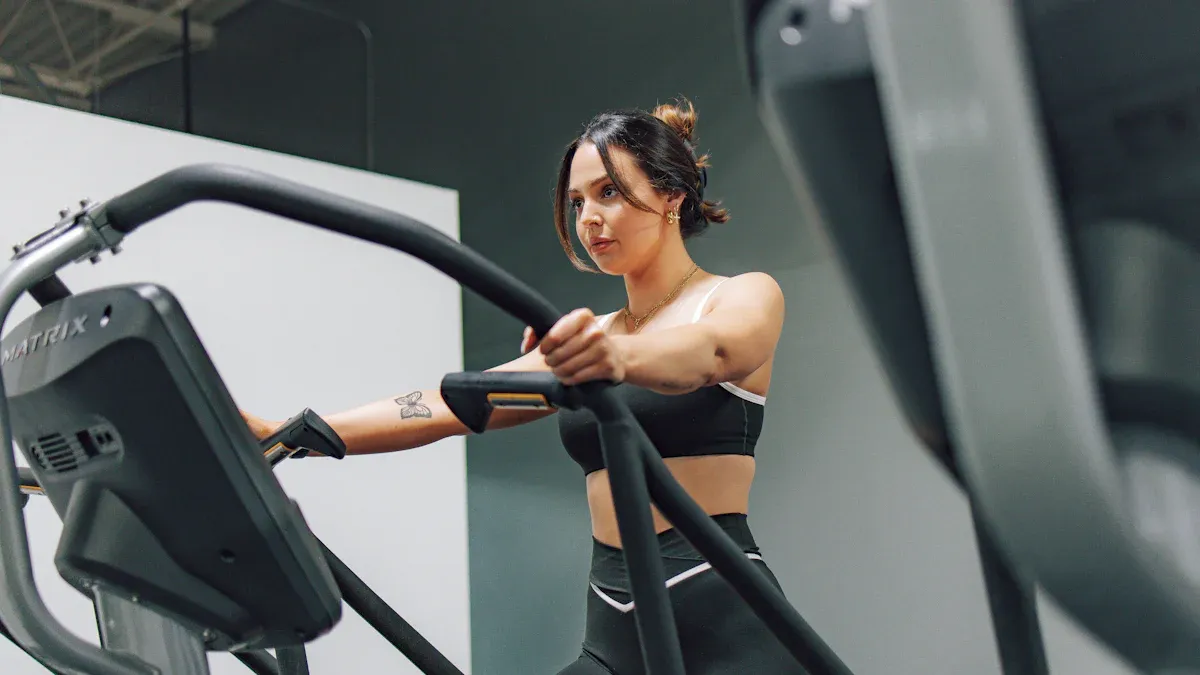
You might notice the difference right away when you step onto a mini curved treadmill. This self-powered machine features a curved running deck that mimics your natural stride. You push the belt with your feet, so you control the speed without electricity. The design encourages you to lean forward and use your glutes and hamstrings. Safety matters a lot here, so paying attention to your posture and movement helps you avoid injury. If you’re new to this equipment, you can feel confident learning at your own pace.
A mini curved treadmill is self-powered, allowing you to control your speed and intensity based on your effort.
Proper posture is crucial. Leaning slightly forward helps you run faster and reduces the risk of injury.
Start your workout with a slow walk to get used to the curved surface before increasing your speed.
Use short, quick strides to maintain balance and reduce impact on your joints.
Always warm up with dynamic stretches to prepare your muscles and lower the risk of injury.
Choose shoes with good cushioning and grip to enhance your comfort and safety while using the treadmill.
Listen to your body. If you feel tired or sore, take a break and allow yourself to recover.
Set small, achievable goals to build confidence and track your progress as you get used to the treadmill.
You notice the unique shape right away. The running deck on a mini curved treadmill arches upward in the middle. This curve encourages you to run with a natural stride. Your feet push the belt forward, and the curved treadmill responds to your effort. The design helps you use more muscle groups, especially your glutes and hamstrings. You get a workout that feels different from a flat treadmill.
You power the mini curved treadmill yourself. There’s no motor or electricity involved. This non-motorized treadmill relies on your energy to move the belt. You control the pace and intensity. If you want to speed up, you run harder. If you want to slow down, you ease off. The manual operation makes your workout more demanding and personal. You decide how fast or slow you go.
Tip: Because you control everything, you can adjust your workout instantly. This flexibility is great for interval training or quick changes in pace.
The mini curved treadmill moves only when you do. Your running effort determines the speed. The faster you run, the faster the belt moves. You don’t need to press buttons or set speeds. You just run, and the treadmill responds. This user-powered speed lets you transition smoothly between walking, jogging, and sprinting. You can customize your workout every time.
Your body position matters a lot. When you lean forward, you increase your speed. If you stand upright or move back, you slow down. The curved treadmill rewards good posture and proper form. You engage your core and legs more than on a motorized treadmill. This setup helps you burn more calories and build endurance. You also reduce joint impact because the curved surface absorbs some shock.
Here’s a quick comparison to help you see the differences:
Feature | Mini Curved Treadmills | Traditional Motorized Treadmills |
|---|---|---|
Motor | No motor, self-propelled | Motorized, electric-driven |
Durability | Longer lifespan due to simpler design | Prone to motor-related failures |
Build | Sturdier with fewer moving parts | More complex with more components |
User Control | Speed determined by user effort | Speed adjustable via settings |
You propel the belt on a non-motorized treadmill, which makes your workout more challenging.
The curved treadmill design encourages natural movement and proper form.
You engage more muscles and get a stronger cardio workout.
If you want a treadmill that adapts to your pace and rewards good technique, a mini curved treadmill gives you that experience.
You want to start your workout safely. Stand beside the mini curved treadmill and check that the belt is not moving. Hold the side rails for balance. Step onto the deck with one foot, then bring the other foot up. Keep your eyes forward. If you feel steady, let go of the rails and stand tall. When you finish, slow your pace until the belt stops. Hold the rails again and step off one foot at a time.
Tip: Always look ahead while running. This helps you keep your balance and avoid tripping.
Begin with a slow walk. Push the belt gently with your feet. Increase your speed as you feel comfortable. You control the pace, so there’s no need to rush. To stop, move toward the back of the treadmill and let the belt slow down. Step off only when the belt is completely still.
Wear proper shoes with good grip and cushioning.
Use the treadmill safety key if your model has one. This can stop the machine quickly if you lose balance.
Keep your hands free. Avoid holding the front rail unless you need extra support.
Many people grab the front rail for support. This can cause poor posture and strain your shoulders. You want to run with your arms swinging naturally at your sides. If you hold the rail, you lean forward too much and lose control of your stride.
Mistake | Why It Happens | How to Fix It |
|---|---|---|
Holding the front rail | Fear of falling | Build confidence by starting slow and keeping your hands free |
Leaning too far forward | Trying to speed up | Stand tall and look ahead |
Note: Holding onto handrails too much can lead to discomfort and injuries. Let your arms move naturally.
Overstriding means you take steps that are too long. This can cause muscle strains and joint pain. You want to land your feet under your hips, not far in front. Short, quick steps help you stay balanced and reduce impact.
Incorrect posture and form can lead to injuries.
Setting unrealistic speed levels increases the risk of falls.
Poor footwear can cause loss of balance and foot injuries.
Improper use of a mini curved treadmill can lead to muscle strains, joint pain, and falls. These risks often happen because of poor form, bad shoes, or ignoring safety features. You can prevent injury by keeping your posture correct, wearing the right shoes, and using safety keys when needed.
Callout: Start slow, focus on your form, and listen to your body. You’ll build confidence and stay safe on your curved treadmill.

Running on a mini curved treadmill feels different from a flat treadmill. You want to pay attention to your form because it helps you stay safe and get the most out of your workout. Curved treadmills encourage a more natural movement. Your stride lines up better with your body’s mechanics. You might notice your steps feel shorter, which can help you keep a balanced gait and reduce joint impact.
Keep your head up and your eyes forward. This helps you stay balanced and avoid strain in your neck. Your shoulders should stay relaxed. Don’t hunch or tense them. Stand tall with a straight back. Experts recommend an upright posture because it prevents lower back pain and lowers your risk of injury. You want a slight forward lean, but don’t bend too much. Let your upper body stay loose.
Tip: Imagine a string pulling you up from the top of your head. This keeps your posture straight and your shoulders relaxed.
Here’s a quick look at expert recommendations for running form:
Recommendation | Description |
|---|---|
Maintain an upright posture | Running with a straight back helps prevent lower back pain and reduces injury risk. |
Focus on natural mechanics | A slight forward lean and relaxed upper body contribute to efficient running. |
Strength training | Strengthening glutes and hamstrings improves running form and efficiency. |
Count your steps | Monitoring your cadence helps optimize speed and technique. |
Your feet should land under your hips, not far in front. Short, quick steps work best. This reduces impact and keeps you stable. The curved surface shortens your stride, which helps you run more efficiently. You’ll use more muscle fibers in your glutes, hamstrings, and calves. You might feel your legs working harder, but that’s a good sign. The treadmill’s resistance makes your workout more challenging.
Curved treadmills encourage natural movement and a symmetrical gait.
They reduce stride angle, which boosts efficiency and minimizes joint impact.
You use up to 30% more energy compared to running on a flat treadmill.
Breathing well helps you stay comfortable and avoid fatigue. Try nasal breathing if you want to boost endurance and keep your lungs healthy. Many runners use a 2:1 or 3:2 breathing pattern. This means you inhale for two or three steps and exhale for one or two. It helps you get more oxygen and feel less tired.
Technique | Findings |
|---|---|
Nasal Breathing | Good for endurance and respiratory health. |
Breathing Patterns | 2:1 or 3:2 patterns enhance oxygen uptake and reduce fatigue. |
Diaphragmatic Breathing | Improves breathing depth and efficiency. |
Paced Breathing | Helps you adjust ventilation and stay comfortable. |
Relaxation matters, too. You can try deep breathing exercises after your workout. Five minutes of slow, deep breaths help your body recover. Yoga or tai chi can make you more flexible and less stressed. Cooling down with a slow walk for five to ten minutes keeps your blood moving and prevents muscle stiffness.
Callout: Focus on your form, breathe deeply, and relax your muscles. You’ll feel stronger and safer every time you use your mini curved treadmill.
Getting ready before you step onto your mini curved treadmill makes a big difference. A good warm-up routine helps your body adjust and lowers your risk of injury. The right shoes also keep you safe and comfortable. Let’s break down what you need to know.
You don’t want to jump straight into a fast run. Your muscles need time to wake up. A proper warm-up boosts your balance and helps you move with confidence. Here’s how you can get started:
Dynamic stretches get your blood flowing and prepare your joints for movement. You can try:
Leg swings (forward and side to side)
Arm circles
Walking lunges
High knees
Butt kicks
These moves help your body feel loose and ready. You’ll notice your balance improves, which is important for treadmill workouts.
Tip: Spend about 3–5 minutes on dynamic stretches. Focus on smooth, controlled movements.
After stretching, start with a slow walk or light jog on the treadmill. Keep your pace easy—think of it as a gentle wake-up for your legs. Exercise science studies suggest a five- to ten-minute walk at a slow pace works best. This routine helps your muscles warm up and your heart rate rise gradually. You also give your body time to adjust to the curved surface.
Start at a low intensity, around a 4 or 5 on the exertion scale. You can increase your speed as you feel more comfortable. This approach lowers your risk of injury and helps you recover better after your workout.
The shoes you wear matter just as much as your warm-up. The right pair supports your feet and keeps you steady on the treadmill.
Look for shoes with solid cushioning. This absorbs impact and protects your joints. Many runners like shoes with EVA foam because it feels soft and flexible. A curved or rocker-type sole adapts well to the moving belt and helps you save energy.
You also want shoes with good grip. A strong tread pattern keeps you from slipping, especially as you pick up speed. Lightweight shoes made from breathable materials keep your feet cool and dry.
Here’s a quick guide to what you should look for in treadmill shoes:
Feature | Description |
|---|---|
Cushioning | Absorbs shock from each step and protects your joints. |
Responsiveness | Gives a springy feel that helps you run smoothly. |
Support | Keeps your foot stable, whether you roll in, out, or stay neutral. |
Traction | Prevents slips with a tread pattern made for treadmill surfaces. |
Lightweight design | Lets you move easily and keeps your feet dry. |
Durability | Stands up to lots of use without wearing out fast. |
Note: Try on a few pairs to see what feels best. Your feet will thank you during and after your workout.
A good warm-up and the right shoes set you up for a safe, effective session on your mini curved treadmill. Take a few extra minutes to prepare, and you’ll notice the difference.
Starting something new can feel a little intimidating, but you can make real progress on a mini curved treadmill if you take it step by step. Let’s talk about how you can set goals, build up your workouts, and listen to your body along the way.
You don’t need to run fast or far right away. The best way to start is by focusing on small, clear goals. Here’s a simple plan you can follow:
Start Slow: Begin with a walk or gentle shuffle. This helps you get used to the curved belt.
Find Your Position: Stand in the center of the treadmill. This gives you the most control.
Lock In Your Posture: Keep your eyes up, tighten your core, and lean forward just a bit from your ankles.
Use Short, Quick Strides: Take fast, light steps. This keeps your movement smooth and safe.
Stay Loose and Centered: Don’t grip the handrails. Relax your arms and shoulders.
Know How to Stop: Move toward the back of the belt to slow down gently.
Stick With It: You might need a few sessions to feel comfortable. That’s normal—keep going!
Use Real Running Form: Stand tall and keep your steps quick.
Fire Up Your Glutes: Focus on using your glutes and hamstrings for power.
Ditch the Pace Obsession: Don’t worry about speed. Pay attention to how your body feels.
Tip: Write down your goals in a notebook or on your phone. Tracking your progress helps you stay motivated.
Once you feel steady, you can start to add more time or effort to your workouts. You don’t have to rush. Most beginners do well with short sessions at first. Try these ideas:
Start with 10–15 minutes per session, three or four times a week.
If you feel good, bump it up to 20–30 minutes as your stamina grows.
Keep your pace comfortable—think about walking or jogging at 2.5–3.5 mph.
Add a few extra minutes each week, or try a short burst of faster running.
You’ll notice your endurance and confidence improve as you stick with your routine.
Your body gives you signals. Pay attention to them. If you feel tired, dizzy, or sore, slow down or take a break. It’s okay to rest. Progress happens when you give yourself time to recover.
Sign to Watch For | What to Do |
|---|---|
Muscle soreness | Stretch and rest |
Shortness of breath | Slow your pace |
Joint pain | Check your form and shoes |
Fatigue | Take a water break |
Callout: Celebrate small wins! Every session you finish makes you stronger and more confident.
You’re building a new habit. Stay patient, listen to your body, and enjoy the journey on your mini curved treadmill.
You want to protect your joints, especially if you run often or have a history of injuries. A curved manual treadmill helps you do just that. The unique curved surface encourages a natural running motion. This design can lower the impact on your knees, ankles, and hips compared to running on flat, hard surfaces. You might notice less soreness after your workout.
The curved manual treadmill absorbs more shock than a standard treadmill.
You get less pounding on your joints, which means a lower risk of joint injuries.
Many people recovering from injuries or dealing with joint pain choose this treadmill for its gentle feel.
If you want a workout that’s tough on calories but easy on your joints, a curved manual treadmill is a smart pick.
You can improve your running form every time you step on a curved manual treadmill. The belt only moves when you do, so you have to use proper technique to keep it going. You’ll find yourself taking shorter, quicker steps and landing with your feet under your hips. This style helps you run more efficiently and reduces the chance of overstriding.
Check out how a curved manual treadmill compares to a standard treadmill:
Metric | Curved Manual Treadmill | Standard Treadmill |
|---|---|---|
Oxygen Consumption | 32% more | Equivalent speeds |
Heart Rate | 16% higher | Equivalent speeds |
Running Cadence | 2.5% higher | Equivalent speeds |
Perceived Effort | 27% harder | Equivalent speeds |
Running Economy | 38% worse | Equivalent speeds |
You work harder on a curved manual treadmill, which means you burn more calories and build better habits. The increased effort helps you develop a stronger stride and better posture. You’ll notice your heart rate climbs faster, and your legs get a solid workout.
Many runners say their technique improves after just a few sessions.
A curved manual treadmill fits everyone, whether you’re a beginner or a seasoned athlete. You control the speed and intensity with your own effort. There’s no motor to set the pace for you. If you want to walk, jog, or sprint, you can do it all on the same machine.
Let’s look at calorie burn:
Treadmill Type | Speed (mph) | Duration (minutes) | Calorie Expenditure Increase |
|---|---|---|---|
Curved Manual Treadmill | 3 | 10 | 30-40% higher |
Traditional Treadmill | 3 | 10 | Baseline |
You burn up to 40% more calories on a curved manual treadmill at the same speed and time. That’s a big boost for your fitness goals. You can start slow and build up as you get stronger. The treadmill grows with you.
Great for all ages and abilities
Lets you set your own pace
Makes every workout count
You don’t need to be a pro to get results. Just step on, move at your own speed, and enjoy the benefits.
You’ll find that a curved treadmill offers a challenging, joint-friendly, and effective workout for everyone.
You can stay safe and get the most from your mini curved treadmill by following a few simple steps:
Learn how the controls work before you start.
Keep your phone away to avoid distractions.
Use emergency stop features if needed.
Make sure there’s enough space around your treadmill.
Watch for moving belts and clear signs.
Work out with a friend when possible.
When you use good form and build up slowly, you boost your energy, burn more calories, and improve your heart health. Stick with it, and you’ll see real progress!
You power a mini curved manual treadmill with your own movement. You control the speed. There’s no motor. This design helps you use more muscles and burn more calories compared to a traditional treadmill.
Yes, you can! Start slow and focus on your form. A manual treadmill lets you set your own pace. You don’t need to worry about keeping up with a motor. Take your time and build confidence.
To stop, move toward the back of the belt. The manual treadmill slows down as you do. Always step off only when the belt stops moving. Hold the side rails for balance if you need extra support.
You don’t need special shoes, but good running shoes help. Look for cushioning and grip. The right shoes keep you safe and comfortable on a manual treadmill. Try a few pairs to see what feels best for you.
A manual treadmill can help you lose weight. You burn more calories because you work harder. Short, intense sessions on a manual treadmill boost your heart rate and metabolism. Combine your workouts with healthy eating for the best results.
You can use a manual treadmill three to five times a week. Start with short sessions. Increase your time as you get stronger. Listen to your body and rest when you need it. Consistency helps you see progress.
Yes, you can walk, jog, or sprint on a manual treadmill. You control the speed with your effort. This flexibility makes a manual treadmill great for all fitness levels. Change your pace anytime during your workout.
A manual treadmill works your glutes, hamstrings, calves, and core. You use more muscle groups than on a motorized treadmill. The curved design encourages natural movement and better posture. You’ll feel your legs and core getting stronger.
Tip: Mix walking and running on your manual treadmill for a balanced workout.


