
- All
- Product Name
- Product Keyword
- Product Model
- Product Summary
- Product Description
- Multi Field Search
Views: 0 Author: Site Editor Publish Time: 2026-03-12 Origin: Site


Space, efficiency, and real results are usually the three biggest concerns when building a personal fitness routine at home. A Home Stair Climber directly addresses all three by offering a compact footprint, powerful lower-body activation, and effective cardiovascular conditioning in one machine. For users who feel that simple walking is no longer challenging enough—but who do not want high-impact running indoors—this equipment stands out as a practical and performance-driven solution.
The primary difference lies in the movement pattern. Unlike treadmills that simulate forward walking or running, or stationary bikes that emphasize circular pedaling, a stair climber is built around a repetitive step-up motion. Each step requires lifting the body upward against resistance, closely resembling the act of climbing real stairs.
This vertical movement creates a unique training stimulus. Instead of gliding forward or spinning pedals, users repeatedly push their body weight upward. That subtle shift in motion dramatically changes how muscles are recruited and how the workout feels overall.
The step pattern of a stair climber mimics real stair climbing more closely than other cardio machines. Each stride involves extension at the hips and knees, activating large lower-body muscle groups. The movement feels purposeful and strength-oriented rather than purely aerobic.
Because the steps move continuously, users experience a consistent climbing rhythm. The body must stabilize and drive upward repeatedly, encouraging coordinated engagement of glutes, quadriceps, hamstrings, and calves.
This vertical orientation also changes posture. Rather than sitting or leaning forward, users maintain an upright stance while stepping, promoting balance and core engagement.
Many home cardio machines focus primarily on endurance. A stair climber, however, blends cardiovascular training with noticeable muscular effort. After only a few minutes, users often feel the workload directly in their glutes and thighs.
That immediate muscle activation distinguishes it from flat-motion machines. The sensation of working against gravity provides a strength-training effect while keeping the heart rate elevated. This dual benefit is one reason why stair climber machine benefits are frequently associated with efficient lower-body toning and conditioning.
Practicality determines whether home fitness equipment becomes part of a daily routine or turns into unused furniture. The design of a home stair climber focuses on making strong workouts accessible within limited living spaces.
Unlike larger cardio machines that require extended floor length, stair climbers use a more vertical footprint. The structure stacks the stepping mechanism upward rather than stretching it forward.
This design makes it suitable for dedicated home gyms, spare rooms, or even larger apartment layouts. Users gain the advantage of a gym-style stepping workout without sacrificing excessive floor space.
For manufacturers such as Shandong Obison Fitness Equipment Co., Ltd., careful engineering ensures that home stair climbers maintain stability while preserving compact dimensions. The result is a machine that feels solid under load yet remains practical for residential environments.
Intensity control plays a crucial role in long-term usability. Most stair climbers offer adjustable resistance or speed settings. Beginners can start with slower, moderate stepping patterns to build confidence and endurance.
As fitness improves, users can increase the step rate or resistance level to create more demanding sessions. This progression supports both weight management and muscular development goals.
Adjustability also makes the machine suitable for households with multiple users. Each person can tailor the workout to their own capability without changing equipment.
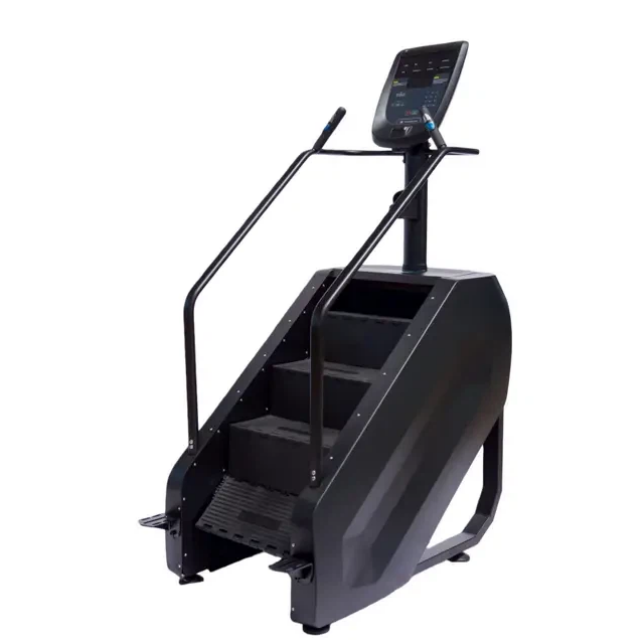
When evaluating stair climber machine benefits, the key question is whether the workout justifies the space and investment. For many users, the advantages become clear after experiencing how quickly the machine elevates heart rate and activates lower-body muscles.
The repeated upward drive emphasizes glute and quadriceps engagement. Each step requires forceful hip extension, which directly targets the muscles responsible for shaping and strengthening the lower body.
Compared to flat-ground walking, the intensity is noticeably higher. Even short sessions can produce significant muscular fatigue, indicating effective stimulation.
This targeted activation appeals to users focused on glute development and leg conditioning. Instead of adding separate strength exercises, they can integrate resistance-style effort into their cardio routine.
Climbing is inherently demanding. As the stepping cycle continues, heart rate rises steadily. Because the body must lift itself against resistance repeatedly, cardiovascular demand increases quickly.
For users with limited time, this efficiency is valuable. A 20-minute stair climbing session can feel more intense than longer sessions on lower-demand equipment. That condensed effectiveness supports consistent scheduling within busy home routines.
Benefit Area | What the Machine Helps With | Why It Matters at Home |
Lower-Body Training | Targets glutes, quads, calves | Makes workouts feel productive |
Cardio Conditioning | Raises heart rate efficiently | Good for shorter sessions |
Low-Impact Movement | Reduces harsh landing stress | More joint-friendly than running |
Space Efficiency | Uses a more vertical footprint | Easier to fit into home setups |
These combined advantages explain why many users view stair climbers as a powerful upgrade from basic walking equipment.
One of the strongest selling points of a stair climber is its low-impact nature. Unlike running, where each step involves landing forces transmitted through the knees and ankles, stair climbing maintains controlled contact with the steps.
Because the stepping motion follows a guided path, there is no airborne phase. The feet move continuously from one step to the next without abrupt impact.
This controlled movement reduces stress on joints while still maintaining resistance-based effort. Users can push themselves physically without subjecting their bodies to repeated pounding.
Low impact does not mean low intensity. The effort required to lift the body upward remains substantial. Muscles work hard, and heart rate increases, yet joint strain remains moderated.
For individuals concerned about knee comfort or those transitioning away from high-impact workouts, this balance between intensity and joint protection is highly appealing.
A home stair climber particularly benefits individuals focused on lower-body development. Users aiming to strengthen glutes and legs often find the climbing motion more engaging than flat cardio machines.
Those who prefer structured, repeatable sessions also gain value. The rhythmic stepping pattern allows for interval training, steady endurance sessions, or progressive resistance workouts.
People who do not enjoy outdoor running—or who face weather or safety limitations—can replicate a challenging vertical workout indoors. The ability to perform effective cardio without leaving home increases convenience and consistency.
Families or shared households also benefit from adjustable settings. The machine can accommodate varying fitness levels without compromising performance.
Consistency determines long-term fitness success. Equipment must be both usable and motivating to encourage regular engagement.
The stepping motion requires minimal learning. Users do not need advanced technique or complex coordination. After a short adjustment period, the movement feels natural.
Because of this simplicity, the barrier to starting a session is low. Even on busy days, users can step on and begin climbing within seconds.
Perception influences motivation. When users feel their muscles working and their heart rate rising quickly, they often perceive the workout as productive.
That immediate feedback increases satisfaction and reinforces habit formation. Equipment that delivers noticeable results supports long-term adherence.
Manufacturers like OBS FITNESS design home stair climbers with durable frames, stable stepping systems, and clear digital displays to enhance this experience. The combination of structural strength and functional design ensures reliable performance over time.
A Home Stair Climber stands out because it combines compact design, strong lower-body activation, and efficient low-impact cardio into one practical home solution. For users who want more than light walking yet prefer to avoid high-impact strain, this stair stepping machine delivers intensity without excessive joint stress. Its vertical footprint, adjustable resistance, and effective glute-focused movement make it a valuable addition to modern home fitness setups. To learn more about advanced stair climbing equipment developed by OBS FITNESS and explore how it can elevate your training environment, contact us today.
A home stair climber emphasizes glutes, quadriceps, hamstrings, and calves due to the repeated upward stepping motion, while also engaging the core for balance and stability.
Yes. Adjustable speed and resistance settings allow beginners to start at a moderate level and gradually increase intensity as endurance improves.
For users seeking reduced joint stress, stair climbers offer a lower-impact alternative to running while still delivering strong cardiovascular and lower-body conditioning.
No. The vertical design of a home stair climber uses floor space efficiently, making it suitable for home gyms, apartments, and limited training areas.


