
- All
- Product Name
- Product Keyword
- Product Model
- Product Summary
- Product Description
- Multi Field Search
Views: 0 Author: Site Editor Publish Time: 2026-07-06 Origin: Site


Maximizing floor space while catering to a diverse demographic remains a primary operational challenge for facility owners. Outfitting a fitness center requires balancing equipment durability, member safety, and the intimidation factor often associated with free weight zones. Facilities must provide accessible workout options that do not compromise on biomechanical effectiveness or require constant staff intervention. The pin loaded machine serves as the foundational anchor for accessible, scalable fitness environments. By bridging the gap between operational efficiency and member satisfaction, these units streamline the training experience. They remove the friction of loading heavy plates, reduce clutter, and provide a safe, guided path of motion that appeals to the vast majority of gym-goers.
Operational Efficiency: Pin loaded machines streamline gym floor traffic by eliminating the need for members to locate, load, and strip weight plates.
Risk Mitigation: Fixed-path mechanics and enclosed weight stacks significantly reduce liability and injury risks compared to free weights.
Demographic Appeal: Selectorized equipment lowers the barrier to entry for beginners while providing advanced users with isolated hypertrophy training and efficient drop-set execution.
Understanding the mechanical architecture of these units is essential for optimizing any commercial gym setup. Often referred to interchangeably as selectorized machines, they integrate fixed weight stacks, solid steel guide rods, magnetic selector pins, and complex pulley or cam systems. This enclosed design allows users to adjust resistance instantly without handling physical plates. The engineering behind these systems focuses on creating a fluid, repeatable motion that isolates specific muscle groups while minimizing joint stress.
Modern cams are engineered to match human strength curves. Unlike gravity-dependent free weights, which offer uneven resistance depending on the joint angle, a well-designed cam alters the leverage throughout the movement. This provides consistent mechanical tension across the entire range of motion. When a user performs a bicep curl, the cam adjusts the resistance so the muscle works optimally from full stretch to peak contraction. This mechanical advantage ensures that the targeted muscle receives maximum stimulation without relying on momentum.
Movement paths have evolved significantly from early linear designs. Contemporary units feature converging and diverging axes that mimic natural joint articulation. For example, a modern chest press converges inward as the user pushes forward. This replicates the natural arc of a dumbbell press while maintaining the safety of a fixed machine. Diverging pull-down machines allow the arms to move outward during the eccentric phase, providing a deeper stretch for the latissimus dorsi. These biomechanical advancements make modern machines highly effective for muscle hypertrophy.
When planning a layout, facilities must choose between single-station machines and multi-station units. Single-station machines are dedicated to one specific muscle group, offering superior biomechanics and isolation. Multi-station units or cable crossovers maximize spatial economics, allowing multiple users to train simultaneously in a condensed footprint. Facility managers must evaluate their available square footage and member traffic patterns to determine the optimal mix of these units.
| Equipment Type | Primary Advantage | Space Requirement | Best Use Case |
|---|---|---|---|
| Single-Station Machine | Optimal biomechanics and muscle isolation | High (requires dedicated footprint per unit) | Targeted hypertrophy and beginner circuits |
| Multi-Station Unit | High user density and versatility | Medium (condensed footprint for multiple users) | Functional training and space-constrained areas |
| Cable Crossover | Infinite movement variations | Very High (wide footprint) | Advanced isolation and athletic conditioning |
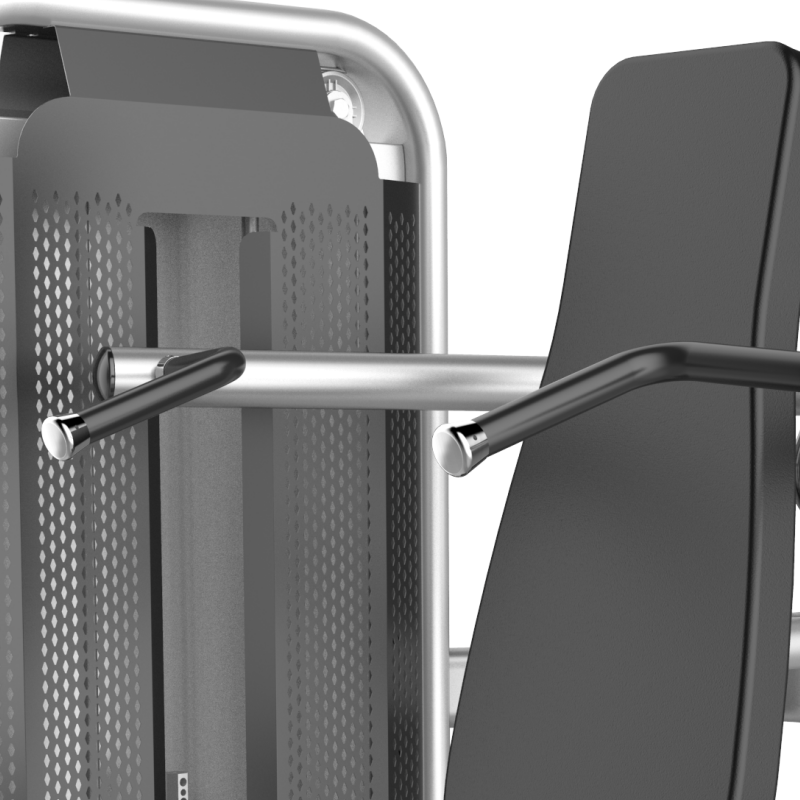
Intuitive placards, color-coded adjustment points, and simple pin selections drastically lower the barrier to entry for novice members. Gym intimidation is a recognized hurdle for retention. Providing equipment that requires zero prior lifting experience encourages consistency and confidence on the gym floor. Beginners can easily follow the visual instructions, adjust the seat height, select a manageable weight, and begin their workout safely.
During peak facility hours, time efficiency dictates user flow. Quick weight transitions facilitate circuit training, supersets, and faster workout completions. Members spend less time resting or searching for equipment and more time actively training. This prevents bottlenecking in high-traffic zones and improves the overall member experience. Efficient floor flow is a critical metric for facility management, directly impacting member satisfaction scores.
Advanced lifters also rely heavily on these systems. The mechanical advantage allows for safe, rapid drop sets to muscular failure. A user can perform a set to exhaustion, drop the pin to a lighter weight in seconds, and continue lifting without requiring a spotter or manually stripping plates. This intensity technique is highly valued by bodybuilders and strength athletes looking to maximize muscle fiber recruitment.
Guided movement paths prevent form breakdown, which is the leading cause of lifting injuries. By locking the user into a biomechanically sound trajectory, the risk of joint shear or muscle tears is minimized. Furthermore, enclosed weight stacks eliminate the danger of dropped weights, protecting both the user and the facility's flooring. Liability reduction is a major consideration for any commercial fitness operation.
Facility organization improves instantly. The elimination of loose plates reduces tripping hazards and removes the operational burden on staff to constantly re-rack weights. A clean, organized floor plan directly contributes to a premium member experience. Staff can focus on member engagement and facility cleanliness rather than acting as full-time weight re-rackers.
For effective strength training and hypertrophy, continuous muscle isolation is critical. These machines stabilize the body, allowing users to isolate specific muscle groups without fatiguing secondary stabilizer muscles. This maintains constant mechanical tension on the target area. When performing a leg extension, the machine isolates the quadriceps completely, removing the lower back and core from the equation.
Controlled tempo is another physiological advantage. Users can execute precise eccentric phases and train safely to absolute failure. Without the fear of being crushed by a barbell, lifters can push their physical limits, stimulating greater muscle growth. The ability to safely fail a repetition without a spotter empowers members to train harder and achieve better results.
Analyzing the true footprint of equipment is vital for floor planning. While a selectorized unit has a fixed, sometimes larger frame, plate-loaded machines require substantial perimeter clearance. Users need space to safely carry, load, and unload plates on both sides of the machine. Additionally, plate-loaded zones require dedicated weight storage trees, which consume valuable square footage. Facility managers must account for this "active use" space when designing their layouts.
The visual impact of equipment lines influences perceived brand value. Cohesive, fully shrouded machines present a clean, high-end aesthetic. Uniform weight stacks and matching upholstery elevate the environment, contrasting sharply with the often chaotic, cluttered appearance of heavy plate-loaded zones. A visually appealing gym floor attracts premium memberships and enhances the facility's marketing materials.
Balancing equipment types ensures broad demographic appeal. Plate-loaded equipment traditionally appeals to powerlifters, athletes, and advanced bodybuilders who demand extreme weight capacities. Conversely, selectorized units appeal to the vast majority of general fitness consumers who prioritize convenience, safety, and time efficiency. A successful facility caters to both demographics by strategically zoning the gym floor.
Commercial standards dictate the use of heavy-duty materials. Look for 11-gauge steel frames capable of withstanding high-volume, daily usage without structural fatigue. The frame should feature a durable powder-coated finish to resist sweat and corrosion. Welds should be smooth and continuous, indicating high-quality manufacturing processes.
Upholstery durability directly impacts maintenance schedules. High-density molded foam prevents the pads from flattening over time. Double-stitched, tear-resistant vinyl is mandatory for commercial environments. Prioritize manufacturers that offer easily replaceable pads to streamline future maintenance. Worn or torn upholstery negatively impacts the perceived cleanliness and quality of the facility.
The drive system is the heart of the machine. Aluminum pulleys offer a smoother pull and greater longevity compared to standard fiberglass-reinforced nylon pulleys. They resist grooving and handle heavy loads more effectively. Inspect the pulley bearings to ensure they are sealed and maintenance-free.
Cable specifications must meet commercial demands. Aircraft-quality cables with a tensile strength exceeding 2000 pounds, coated in protective nylon, are standard. Alternatively, heavy-duty Kevlar belt systems offer an exceptionally smooth pull and reduced wear, presenting a modern alternative to traditional steel cables. Belt systems often require less frequent tension adjustments than cables.
Micro-loading capabilities allow for progressive overload, which is especially important for upper-body isolation movements where a standard 10-pound jump is too severe. Look for units with integrated 5-pound drop-down increments or dial systems. This feature is highly appreciated by female members and rehabilitation clients.
Guide rod friction dictates the smoothness of the repetition. Solid steel, chrome-plated guide rods paired with self-lubricating bushings ensure frictionless movement, preventing the weight stack from sticking or jerking during the exercise. The weight stack should glide silently, indicating proper alignment and lubrication.
Evaluate the converging and diverging angles of the press and pull arms. The machine's pivot points must align accurately with the user’s joint axes. Proper alignment prevents joint shear, reduces tendon strain, and optimizes muscle recruitment throughout the entire range of motion. Test the equipment personally to ensure the movement feels natural and does not force the joints into awkward positions.
Cables are the primary failure point in any selectorized system. Fraying occurs naturally due to repetitive friction over pulleys. Implement a mandatory weekly inspection protocol, checking the entire length of the cable, especially near the cam and the weight stack attachment point. Catching a frayed cable early prevents catastrophic failure during use.
Selector pin loss is a common operational nuisance. Magnetic pins can be misplaced or damaged by users. Selecting machines with tethered pin designs eliminates this issue, ensuring the pin always remains attached to the weight stack. This small design feature saves significant time and frustration for facility staff.
Strict lubrication protocols extend the life of the equipment. Guide rods require regular cleaning and lubrication using specific silicone-based lubricants. Avoid standard penetrating oils, which attract dust and create a sludgy residue that impedes the weight stack's movement. A clean guide rod ensures a smooth, premium feel for the user.
Wipe down all guide rods weekly with a clean, dry microfiber cloth to remove dust and chalk residue.
Apply a light coat of silicone-based lubricant to the guide rods, ensuring even coverage without dripping.
Inspect all cables for fraying, paying close attention to the sections that pass over pulleys and attach to the weight stack.
Check the tension of all belts and cables, adjusting as necessary to remove slack and ensure the weight stack engages immediately.
Verify that all selector pins are tethered securely and function smoothly within the weight stack.
Inspect upholstery for tears or excessive wear, scheduling replacements for any damaged pads.
Ensure all instructional placards are legible and securely attached to the machine frames.
Developing a comprehensive gym equipment guide requires strategic spatial planning. A widely accepted baseline is the 60/40 rule: dedicating 60% of strength floor space to selectorized machines and 40% to free weights and plate-loaded equipment. This ratio caters perfectly to general commercial demographics, though boutique strength clubs may invert this ratio. Facility managers must analyze their specific membership base to determine the ideal equipment mix.
Zoning strategies optimize user flow. Grouping machines by body part allows members to complete targeted workouts efficiently. Alternatively, arranging equipment in circuit patterns facilitates full-body routines and reduces bottlenecking during peak operational hours. Clear pathways between zones ensure safe navigation and comply with accessibility regulations.
Audit your current floor plan to identify high-traffic bottlenecks and assess where selectorized units can replace cluttered free-weight stations.
Implement a strict, documented weekly inspection schedule focusing on cable integrity, pulley alignment, and guide rod lubrication.
Standardize your equipment selection by prioritizing vendors that offer robust warranties, tethered selector pins, and readily available replacement parts.
Analyze your member demographic data to determine the optimal ratio of guided machines to free weights for your specific facility.
A: It is a strength training machine utilizing a fixed stack of rectangular weight plates. Resistance is selected simply by inserting a metal pin into the desired weight, allowing for rapid adjustments without manual lifting.
A: These terms are generally synonymous in the fitness industry. Both refer to machines equipped with a captive weight stack and a pin or dial system used to select the resistance level.
A: Yes, they are highly effective for hypertrophy. They provide superior muscle isolation, continuous mechanical tension, and safer failure training, although they do not engage secondary stabilizer muscles as heavily as free weights do.
A: They allow the user to quickly change the resistance in a matter of seconds. A lifter can reach muscular failure, instantly move the pin to a lighter weight, and continue the set without leaving the seat.
A: In a high-volume commercial setting, cables typically last between 1 to 3 years. Longevity is heavily dependent on daily usage volume, pulley quality, and adherence to preventative maintenance schedules.
A: Yes. Many modern commercial units feature integrated 5-pound or 2.5-pound drop-down weights. Alternatively, facilities can provide aftermarket micro-loading pins that attach directly to the weight stack for smaller incremental jumps.
A: The manufacturing process involves casting precision weight stacks, engineering biomechanically accurate cam profiles, designing protective shrouding, and assembling intricate pulley and cable systems to ensure frictionless movement.


