
- All
- Product Name
- Product Keyword
- Product Model
- Product Summary
- Product Description
- Multi Field Search
Views: 0 Author: Site Editor Publish Time: 2025-12-27 Origin: Site


The allure of bringing the ocean to a landlocked venue is a powerful business proposition. Whether you are launching a family entertainment center, upgrading a waterpark, or starting a mobile rental business, the concept of an artificial wave attracts crowds. However, the term "surfing machine" creates significant confusion in the market. It often refers to two vastly different investments: the portable, mechanical "bull-ride" style simulators or the massive, water-pumping sheet wave attractions found on cruise ships.
Navigating this price gap is critical for your business plan. A mechanical unit might cost as much as a compact car, while a stationary sheet wave system requires a budget comparable to building a luxury home. Understanding the upfront sticker price is only the beginning. You must also account for site preparation, power consumption, and long-term maintenance liabilities.
This guide breaks down the true costs behind these attractions. You will learn about the initial capital required for different technologies, the hidden operational expenses that drain budgets, and the Return on Investment (ROI) potential for each category. We move beyond simple pricing to help you calculate the Total Cost of Ownership (TCO) for your specific venue.
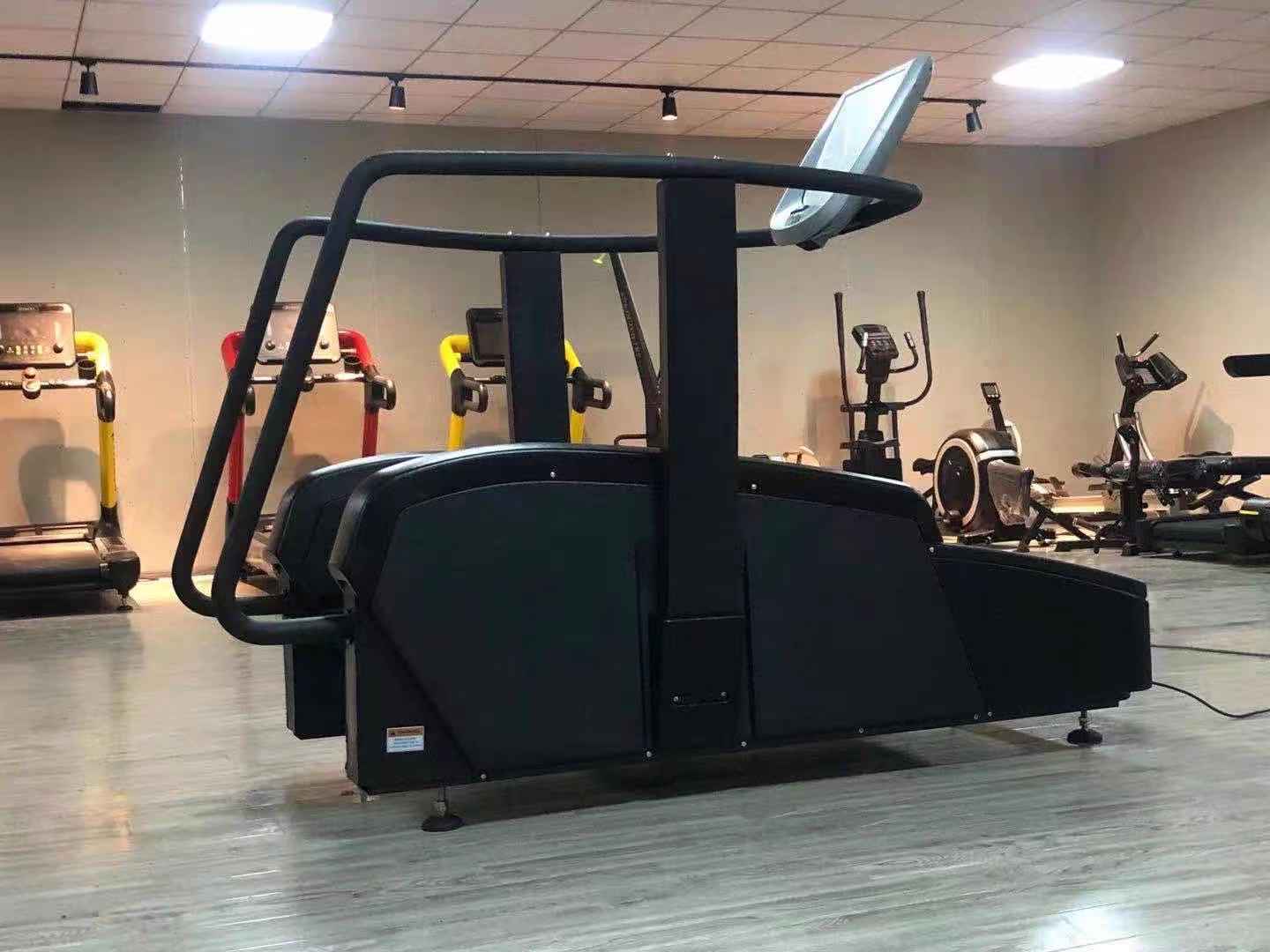
Entry-Level (Mechanical): Equipment costs range from $15,000 to $30,000. Ideal for event rental businesses; runs on single-phase power.
Mid-Range (Imported Sheet Waves): Direct-from-factory stationary waves (often Chinese supply chain) range from $138,000 to $180,000, excluding civil works.
Premium (Brand Name Sheet Waves): Market leaders (e.g., FlowRider) start near $500,000+, offering higher throughput, patented safety surfaces, and brand recognition.
Hidden Costs: Electricity (90kW vs. household plugs) and water filtration often exceed the initial hardware cost over 5 years.
When you request a quote for a Surfing Machine, the variance in pricing often shocks new buyers. The market is split into two distinct categories that serve different end-users. Understanding the hardware differences clarifies why one costs $20,000 and another exceeds half a million dollars.
The entry point for most small businesses is the mechanical surf simulator. These units do not use water. Instead, they replicate the balance required for surfing using a multi-axis motion base, similar to a mechanical bull. The rider stands on a real surfboard attached to a motorized gimbal, surrounded by an inflatable safety cushion.
Price Anchor: You can expect to pay between $15,000 and $30,000 USD for a reliable commercial unit.
Hardware Breakdown:The cost covers the electric motion base, which typically provides pitch (up and down) and roll (side to side) movements. It also includes the control console for the operator and a themed inflatable mattress—often designed to look like a breaking wave. Higher-end models may feature auto-ride programs or softer landing technologies.
Target Buyer:This fits perfectly into party rental companies, bars, and Family Entertainment Centers (FECs) with limited square footage. Because it mimics the sport without the wet mess, it acts as a scalable Classic Surfing Machine for mobile businesses that travel to festivals or corporate events.
This category represents the "true" water experience. High-velocity pumps shoot a thin sheet of water (approximately 2–3 inches deep) up a curved surface. Riders slide on this surface using flowboards, simulating the sensation of carving a wave.
Price Anchor: The range here is massive, from $138,000 (Import) to over $600,000 (Premium Brand).
Hardware Breakdown:Your investment pays for submersible propeller pumps, the ride surface structure, water nozzles, and a complex filtration system. Unlike mechanical units, these are permanent facility anchors.
The "Premium" Gap:Why does a brand-name unit cost nearly four times as much as an imported generic version?
Premium (FlowRider/Wavesurfer): You are paying for patented tensioned ride surfaces. These act like a trampoline, absorbing the impact when a rider falls. This significantly reduces liability. They also boast lower noise profiles (75–85 dB) and verified ASTM safety compliance.
Import/Generic: These often utilize rigid surfaces (fiberglass over concrete) or simple foam padding. While cheaper upfront, the risk of injury is higher, and the resale value is significantly lower.
The purchase price is just the tip of the iceberg. The operational expenditure (OPEX) often determines the long-term viability of a surfing attraction. The contrast between mechanical and sheet wave systems is starkest in their utility consumption.
| Cost Factor | Mechanical Simulator | Stationary Sheet Wave |
|---|---|---|
| Power Source | Standard Single-Phase (110-240v) | Industrial 3-Phase (400v+) |
| Consumption | 8–13 Amps (Household Appliance Level) | 180+ Amps @ 90 kW/hr |
| Water Volume | None (Dry Ride) | 24,000+ Gallons (Reservoir) |
| Site Prep | Flat ground (Indoor/Outdoor) | Concrete pit + load-bearing floor |
If you choose a mechanical unit, your power bill remains manageable. They typically draw 8 to 13 Amps on standard single-phase power. You can plug them into many standard commercial outlets, making them highly portable.
Conversely, a sheet wave machine is an energy beast. Running pumps that move 30,000 gallons of water per minute requires industrial 3-phase power. A typical single-lane wave consumes roughly 90 kW per hour. In regions with high electricity rates, this is a major operational expense driver that can exceed $10,000 per month in continuous operation.
Water adds a layer of complexity. You need a reservoir holding approximately 24,000 gallons or more. This water is not static; it requires constant circulation. You must budget for chemical treatments, chlorine regulation, and filtration media replacements, similar to maintaining a commercial swimming pool. Neglecting this leads to equipment corrosion and health code violations.
A mechanical unit requires zero infrastructure; if the ground is flat, you can set it up. A stationary unit, however, requires significant civil engineering. You likely need to dig a concrete pit for the reservoir or, if installing indoors, ensure the floor can support a dynamic load of 20+ tons. This structural reinforcement is critical for locations like malls, indoor waterparks, or cruise ships.
Calculating the return on investment requires analyzing more than just ticket sales. Surfing machines function as "visual magnets" that alter the economics of the entire venue.
The most successful venues understand that the machine is a stage. Sheet waves act as visual anchors. Revenue is generated not just by the riders paying for a session, but by the spectators eating and drinking while they watch. This F&B correlation is strong; parents watch kids, and friends cheer on friends. This increases the "dwell time" (length of stay) in hotels, malls, or bars, driving secondary spending significantly higher than the ride revenue alone.
Throughput—the number of riders per hour—defines your revenue ceiling.
Single Rider vs. Multi-Rider: Standard mechanical units are strictly single-rider. However, some European sheet wave models (e.g., Wavesurfer) feature wide jets that allow up to three riders to bodyboard simultaneously. This effectively triples your potential ticket sales per hour compared to a single-lane setup.
Rental Economics: For mechanical units, the model is B2B. A rental company might command $750 for a 4-hour rental block. Even with low utilization (e.g., one rental per week), the low barrier to entry means the asset pays for itself quickly compared to fixed infrastructure projects.
Stationary sheet wave sessions typically sell for $30 to $60 per hour. When evaluating this, look at the global context. Large-scale wave pools (like Urbnsurf) charge higher rates for real traveling waves. Your stationary unit offers a different value proposition—easier learning curves and constant repetition—which justifies the mid-range pricing. For budget venues, keeping ticket prices accessible ensures the queue stays full, maximizing that crucial spectator crowd.
When reviewing quotes, the materials used in construction tell the real story of value. Saltwater, chlorine, and constant vibration destroy inferior equipment.
If your machine will be near the ocean or in a chlorinated environment, demand 304 or 316-grade Stainless Steel. Painted carbon steel will rust within years, leading to structural failure. You must also evaluate the ride surface. Inflatables on mechanical units wear out but are cheap to replace ($1,000–$2,000). In contrast, the tensioned surface on a premium sheet wave is a major capital expense to replace but is essential for reducing injury liability. Rigid surfaces on cheap imports may save money now but can lead to lawsuits later.
Do not underestimate the sound of 90kW pumps pushing water. In an indoor concrete venue, this noise amplifies, making conversation impossible. Premium installations include sound-dampening engine rooms that keep noise below 85 dB. If you buy a cheaper unit without this engineering, you may need to invest heavily in acoustic retrofitting later.
Insurance providers scrutinize water attractions. Premium brands usually come with established safety records, ASTM certifications, and certified operator training programs. This documentation often smooths the approval process. A "Frankenstein" machine built by a local fabricator without engineering certifications may be uninsurable in Western markets.
Not every buyer needs a commercial attraction. Some seek the fitness benefits of surfing without the water or the massive footprint.
For gyms, physiotherapy clinics, or home users, the goal is often balance and core stability rather than entertainment. A Core-Strengthening Surfing Machine strips away the water and the motors. These devices typically use gyroscopic mechanics or instability boards to engage the abdominal and leg muscles used in surfing.
Cost: These are accessible, ranging from $500 to $2,500.
Function: They serve a functional fitness purpose. While they won't draw a crowd of spectators, they offer a legitimate training tool for surfers during the off-season or for general fitness enthusiasts looking to improve stability.
High-net-worth individuals often consider "E-Foils" as an alternative to building a pool. These are personal watercraft with electric motors.
Cost: Premium carbon fiber models (e.g., Lind, Awake) run $12,000–$25,000.
Trade-off: They require zero infrastructure—just a body of water. However, they are strictly single-user devices. They solve the "no waves" problem for an individual but are not a scalable commercial venue solution like a stationary machine.
Deciding how much to spend on a surfing machine depends entirely on your business model. Are you selling tickets to a rider, renting entertainment to a party host, or selling cocktails to a spectator?
Summary Matrix:
Best for Rentals/Low Budget: Mechanical Classic Surfing Machine ($20k range). It offers high mobility and quick ROI through event fees.
Best for Venue Traffic/F&B Sales: Premium Sheet Wave ($500k+ + Infrastructure). This is a destination anchor that drives secondary revenue.
Best for Budget Venues: Imported Stationary Wave ($150k + Infrastructure). Proceed with extreme caution regarding steel quality and after-sales support.
Our final advice is to look past the hardware invoice. Prioritize "waves per hour" capacity and "power consumption" realities. These two numbers will dictate your profitability long after the installation crew has left. A cheap machine that drives up your electric bill and breaks down frequently is far more expensive than a premium unit that runs reliably for a decade.
A: Space requirements depend heavily on the technology. A mechanical surf simulator typically requires a footprint of about 20x20 feet to accommodate the inflatable safety mat. In contrast, a compact sheet wave attraction usually needs a minimum of 22x53 feet, plus additional space for the pump room, filtration reservoir, and spectator walkways.
A: The primary difference lies in the ride surface and safety engineering. Brand-name systems like FlowRider utilize a patented tensioned surface that acts like a trampoline to absorb impact. Generic simulators often use rigid fiberglass or concrete surfaces covered in foam, which can increase the risk of injury and offer a less authentic ride feel.
A: Yes, but it requires strict structural planning. Mechanical units are easy to install indoors if ceiling height permits. Stationary sheet waves require floors capable of supporting 20+ tons of water weight. You must also manage high humidity levels with specialized HVAC systems and ensure acoustic dampening to control pump noise.
A: It depends on the type. A mechanical "classic" surfing machine generally runs on standard single-phase power (110-240v), drawing only 8-13 Amps. However, a stationary sheet wave machine uses powerful industrial pumps that absolutely require 3-phase power, often drawing over 180 Amps to generate the water flow.


