
- All
- Product Name
- Product Keyword
- Product Model
- Product Summary
- Product Description
- Multi Field Search
Views: 0 Author: Site Editor Publish Time: 2026-06-30 Origin: Site


Commercial gym profitability relies heavily on floor space optimization. Every square foot must justify its operational footprint and drive member retention. Facility operators face a critical capital allocation dilemma: balancing high-maintenance cardio zones against rising member demand for strength areas, all while managing peak-hour bottlenecks. Deciding between these equipment categories dictates how members interact with your facility during the busiest hours of the day.
Moving beyond generic fitness advice, this guide evaluates cardio vs strength machines through a strict operational lens. We analyze space efficiency, demographic trends, and liability mitigation to help operators design a highly profitable facility layout. You will learn how to balance your equipment portfolio to maximize throughput, reduce injury risks, and cater to modern fitness consumers without overextending your maintenance resources.
Shifting Demographics: Modern gym-goers are increasingly prioritizing strength training over steady-state cardio, forcing a reevaluation of the traditional 60/40 cardio-to-strength floor plan.
Space vs. Throughput: While strength machines often require less square footage per unit, cardio machines offer highly predictable user time-blocks, making peak-hour traffic management easier to forecast.
Liability Mitigation: Both machine categories reduce facility liability compared to free weights, but strength machines specifically lower the barrier to entry for novice lifters by providing guided, biomechanically safe movement paths.
Facility planning requires a strict adherence to performance metrics. Operators must evaluate space per square foot, peak-hour utilization rates, member wait times, and equipment lifespan. A gym floor is a living ecosystem where equipment placement directly influences traffic flow. If members cannot access the machines they want during the post-work rush, satisfaction drops and cancellation rates rise. Every piece of equipment must earn its keep by moving members efficiently through their workouts.
Purchasers must strictly avoid consumer-grade traps when outfitting a commercial space. Residential equipment simply cannot withstand the abuse of hundreds of daily users. Evaluating structural differences is non-negotiable. Look for heavy 11-gauge steel thickness, sealed linear bearing systems, and double-stitched marine-grade upholstery. Multi-user environments require robust frames that resist torsional stress. Warranties must specifically cover commercial applications, as residential warranties instantly void once placed in a public facility.
The industry is experiencing a massive migration toward strength training. Driven heavily by younger demographics and athletic conditioning culture, the cardio-only gym member is becoming rare. Members now expect comprehensive lifting zones equipped with specialized machines. This shift forces operators to rethink floor plans that previously dedicated massive square footage to endless rows of treadmills. Adapting to this trend is critical for capturing the modern fitness consumer.
Equipment availability during peak hours directly correlates with member satisfaction. When members face constant bottlenecks at popular stations, frustration mounts. A well-planned equipment layout minimizes wait times and keeps members moving. Retention relies on creating a frictionless environment where individuals can complete their routines efficiently. Investing in the right mix of machines ensures that your facility can handle volume surges without compromising the user experience.
Integrating cardio equipment into a facility brings specific operational realities. These machines remain a staple for many demographics, but they require careful planning regarding space, infrastructure, and ongoing maintenance.
Treadmills, ellipticals, and stationary bikes serve as low-intimidation entry points. For beginners and older demographics, these machines offer a familiar, straightforward way to begin exercising. They require virtually no instruction. A user simply presses start and begins moving. This high level of accessibility makes cardio zones essential for onboarding new members who might feel overwhelmed by complex lifting areas.
Commercial cardio units demand a massive footprint. Beyond the physical dimensions of the machines themselves, operators must account for clearance zones, dedicated electrical infrastructure, and data wiring. A row of treadmills requires significant power draw, often necessitating custom electrical panels with dedicated 20-amp circuits and isolated neutrals. Floor planning must accommodate these hardwired constraints, making cardio zones relatively inflexible once installed.
Servicing AC motors, running belts, and digital consoles is a constant reality. High-traffic cardio units typically face a three-to-five-year replacement cycle. Moving parts wear down quickly under heavy use, and sweat accelerates the degradation of electronic components. Operators must factor in the reality of frequent preventative maintenance, deck flipping, belt tensioning, and the inevitable downtime when machines require specialized repairs.
Evaluating the return on investment for integrated touchscreens and subscription-based software is crucial. In a Bring Your Own Device era, members often prefer watching content on their own smartphones or tablets. Sinking capital into proprietary smart consoles can backfire when the software becomes obsolete or requires expensive licensing renewals. Standard LED consoles often provide better long-term reliability and lower upfront hardware demands.
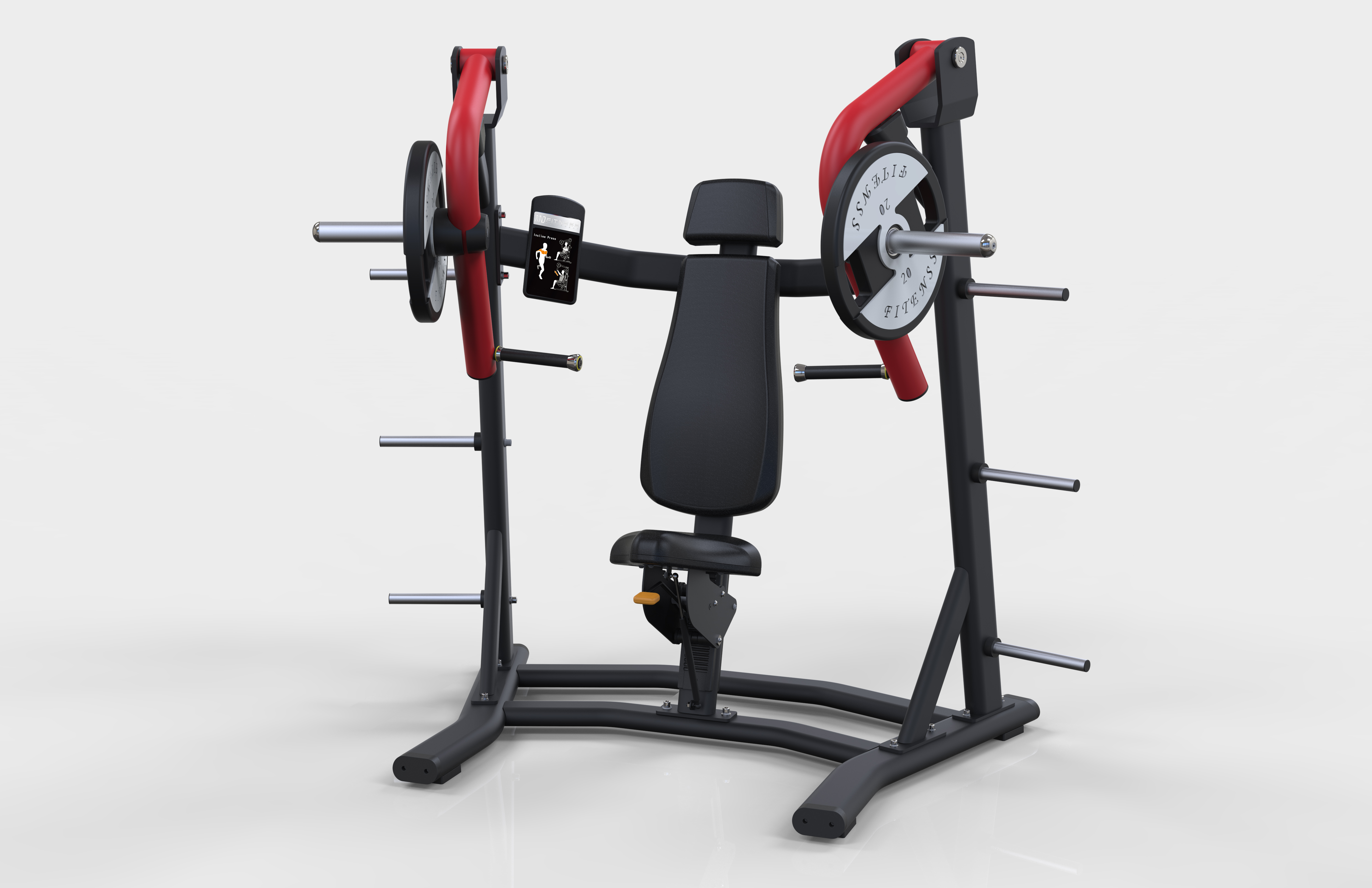
Selectorized and plate-loaded units form the backbone of modern lifting zones. These machines offer distinct advantages in safety, accessibility, and durability, making them highly attractive for facility operators managing diverse member populations.
Fixed movement paths drastically reduce injury risk. Unlike free weights, which require significant stabilization and technique, fitness machines guide the user through a predetermined range of motion. This mechanical guidance prevents catastrophic failures, such as dropping a barbell. For facility operators, this translates directly into reduced liability and fewer incident reports on the gym floor.
Guided movement paths and built-in instructional placards reduce intimidation. Beginners can easily understand how to adjust the seat, select a weight, and perform the exercise correctly. This structured setup speeds up member onboarding. Facilities can empower new members to start lifting immediately without requiring dedicated personal training staff to supervise every movement.
Understanding the engineering behind these units helps operators make informed purchasing decisions. Pulley ratios, such as 2:1 versus 1:1, dictate how the weight feels to the user and how much cable travel is available. Cable tensile strength determines maintenance intervals. Biomechanical cams alter the resistance profile throughout the movement, matching the natural strength curve of human muscles. These engineering details directly impact member performance perception compared to traditional free weights.
Measurable progression drives long-term gym adherence. Selectorized units allow members to easily track their strength gains by moving the pin down the weight stack. This clear, quantifiable progress keeps members motivated. When users see consistent improvements in their lifting capacity, they are far more likely to renew their memberships and maintain their fitness routines.
Multi-station jungles and dual-function machines maximize utility in tight commercial spaces. A single cable crossover or an inner/outer thigh combo machine provides multiple exercise options within a compact footprint. This efficiency allows operators to offer a comprehensive full-body workout experience even in facilities with limited square footage.
Comparing these two equipment categories requires analyzing how they perform against key operational metrics. Operators must look at space efficiency, user behavior, and how different machines align with specific target audiences.
User behavior varies wildly between zones. Cardio users typically occupy a machine for 20 to 45 minutes, creating long, predictable blocks of usage. In contrast, strength machine users cycle through in 3 to 5 minutes per set. This rapid turnover means a single chest press machine can service ten different members in the time it takes one person to finish a treadmill run. Managing facility flow requires balancing these different usage patterns to prevent bottlenecks.
Modern facilities bridge the gap by pairing equipment in high-intensity circuit-style zones. Combining rowers or assault bikes with selectorized units creates dynamic, fast-paced workout areas. This hybrid approach optimizes throughput and caters to members looking for efficient, full-body workouts. It also breaks up the monotony of traditional floor plans.
Equipment selection must align with your specific business model and demographic.
Big box commercial gyms need a highly balanced approach to cater to the masses, ensuring enough variety for all fitness levels.
Boutique and specialty studios can skew heavily toward specialized lifting equipment or niche cardio based on their specific class programming.
Corporate and hospitality fitness centers often lean toward dual-function units and stationary cardio to prioritize unsupervised safety and liability reduction.
Designing a floor plan requires a strategic gym comparison to determine the right mix of equipment. The layout dictates the energy of the room and how effectively members can complete their workouts.
Historically, gyms utilized a 60% cardio to 40% strength model. Modern facilities are rapidly flipping this ratio to 40% cardio and 60% strength, often incorporating larger functional turf zones. This reversal reflects the massive surge in lifting popularity. Operators clinging to the old model risk alienating a significant portion of their potential member base who demand extensive lifting options.
Balancing guided selectorized units with free-weight zones satisfies both novice and advanced members. Guided units provide stability and beginner comfort, while squat racks and dumbbells cater to experienced lifters. The presence of heavy free weights influences the specific types of machines needed. If a facility has ample squat racks, operators might prioritize isolation machines like leg extensions over compound movement machines like leg presses.
Best practices dictate visually and acoustically separating high-energy lifting floors from steady-state cardio areas. Cardio zones benefit from natural light, screens, and a slightly quieter atmosphere. Lifting zones require durable flooring, mirrors, and an energetic environment. Proper zoning prevents the clanking of weight stacks from disturbing members trying to focus on a long run.
| Equipment Category | Space Requirement | Average User Time | Maintenance Frequency | Infrastructure Needs |
|---|---|---|---|---|
| Commercial Treadmills | High (includes safety clearance) | 20 - 45 minutes | High (belts, decks, motors) | Dedicated 20-amp circuits |
| Ellipticals & Bikes | Medium | 20 - 45 minutes | Medium (drive belts, alternators) | Standard or self-powered |
| Selectorized Machines | Medium to Low | 3 - 5 minutes | Low (cables, pulleys, lubrication) | None |
| Multi-Station Jungles | High (but serves multiple users) | 3 - 5 minutes per station | Low (cables, pulleys) | None |
Equipping a facility involves significant capital risk. Operators must navigate rapidly changing technology, shifting member demands, and the dangers of inferior equipment.
Sinking capital into units with proprietary software that becomes obsolete quickly is a major hazard. Screens break, software updates cease, and members quickly lose interest in clunky interfaces. Opt for reliable mechanical bases with basic LED consoles. Let users rely on their smartphones and wearables for entertainment and tracking. This mitigation strategy preserves capital and reduces electronic maintenance headaches.
Peak-hour bottlenecks at popular stations destroy the member experience. A single lat pulldown or leg press is rarely enough for a busy commercial facility. The danger lies in buying a massive variety of niche, single-use equipment while ignoring the staples. Purchase duplicate units of high-traffic selectorized machines to keep lines short and members moving.
Procuring residential or light-commercial equipment for heavy-use environments to save upfront capital is a fatal error. The frames will bend, cables will snap, and warranties will be voided. Always verify commercial certification, frame-welding standards, and commercial parts warranties before finalizing any purchase. True commercial equipment is an investment in safety and longevity.
There is no universal winner in the equipment debate; the optimal investment depends entirely on your facility’s square footage, capital budget, and target demographic. However, the industry trend heavily favors expanding lifting zones to meet modern consumer demands. Operators must audit their current peak-hour bottlenecks, survey existing members on wait times, and calculate their trailing maintenance spend to dictate their next purchasing cycle.
Map out your floor plan using 3D facility design software to visualize traffic flow and ensure proper ADA clearances before purchasing.
Consult with commercial fitness distributors to secure robust warranties, verify structural steel gauges, and confirm reliable delivery timelines.
Establish a strict preventative maintenance contract to extend the lifespan of all moving parts, specifically targeting treadmill decks and selectorized cables.
Survey your current membership base to identify exactly which machines are causing peak-hour bottlenecks and prioritize duplicate purchases for those units.
A: Historically, the standard was 60% cardio and 40% strength. Today, modern facilities are reversing this trend, often utilizing a 40% cardio to 60% strength ratio to accommodate the rising popularity of weightlifting and functional training.
A: Cardio units require significantly more maintenance. They feature complex electronic consoles, motors, and moving belts that wear down quickly. Selectorized units rely on simple cables and pulleys, requiring far less frequent maintenance.
A: Dual-function selectorized units and multi-station cable jungles offer excellent space efficiency. They allow users to perform multiple different exercises within a single, compact footprint, maximizing floor space utility.
A: In high-traffic commercial environments, treadmills, ellipticals, and bikes typically need replacement every three to five years. Heavy usage and sweat degrade the mechanical and electronic components over time.
A: Yes, they are generally safer for unsupervised use. They restrict the user to a fixed, biomechanically correct movement path and eliminate the risk of dropping heavy weights, making them ideal for beginners and reducing facility liability.


