
- All
- Product Name
- Product Keyword
- Product Model
- Product Summary
- Product Description
- Multi Field Search
Views: 0 Author: Site Editor Publish Time: 2026-08-03 Origin: Site


Transitioning from a gym business plan to an active, profitable facility hinges on one high-stakes capital expenditure: your hardware. Securing the optimal machine mix determines how quickly you attract members and sustain recurring revenue. At the decision stage, facility owners must move past simple aesthetic preferences. You must evaluate fitness equipment based on long-term durability, spatial efficiency, and strict liability mitigation. Relying purely on brand recognition or visual appeal often leads to unexpected repair costs and frustrating operational downtime.
Selecting the right setup requires a rigorous evaluation framework. In this guide, we will explore how to balance target member demographics against actual footprint realities. You will learn how to decode commercial warranties properly. We will also examine how to choose vendor partnerships seamlessly to protect your long-term investment.
Demographics Dictate the Floorplan: Your target member profile determines the exact ratio of cardio to strength stations.
TCO > Upfront Cost: Commercial viability relies on preventative maintenance availability, parts guarantees, and robust service level agreements (SLAs).
Commercial Certification is Mandatory: Using residential-grade units in a commercial facility voids warranties and exposes the business to liability risks.
Vendor Partnerships Matter: The right supplier provides spatial design support, financing options, and guaranteed installation timelines.
Before reviewing product catalogs, you must establish a concrete business framework. Your hardware choices must align perfectly with your target audience and your physical floor plan.
Different user groups require entirely different equipment profiles. You cannot build a successful floor plan on guesswork.
Boutique Studios: These facilities require multi-functional, space-saving units. Members expect high aesthetic appeal. Equipment must blend seamlessly into the interior design.
General Population/Big Box: Large commercial gyms demand high volumes of accessible, intuitive machines. You need simple adjustments and clear instructional placards.
Performance/Strength Clubs: These specialized spaces necessitate heavy-duty racks, lifting platforms, and specialized hardware. Members prioritize function, grip quality, and load capacity over sleek designs.
Every square foot of your facility must generate revenue. Evaluate your potential equipment footprint critically. Calculate your projected revenue per square foot before committing to bulky machines.
You must also factor in the Americans with Disabilities Act (ADA) or equivalent local compliance codes. These regulations mandate minimum clearance zones. You must maintain safe traffic flow between machines. Jamming too many units into a small space creates fire hazards and frustrates members.
Best Practice: Always request a 3D floor plan mockup. Ensure you leave at least 36 inches of clearance around major pathways.
Acquiring heavy machinery involves choosing between capital expenditure (CapEx) and operational expenditure (OpEx). Assess the business case for buying outright versus commercial leasing carefully. Buying outright preserves monthly cash flow later. Leasing preserves your initial capital and often includes upgrade pathways. Consult your tax professional regarding depreciation benefits for either route.
A common mistake among new gym owners is purchasing light-commercial or home-grade machines to save money. This choice creates severe legal and financial vulnerabilities.
Commercial hardware utilizes significantly thicker materials. You will typically find 11-gauge steel frames in commercial pieces, whereas home units use thinner 14-gauge steel. Upholstery tear-resistance also differs drastically. Commercial pads use high-density foam wrapped in double-stitched, sweat-resistant vinyl. Motor horsepower on commercial treadmills runs much higher and handles continuous usage effortlessly.
Table: Home-Grade vs. Commercial Equipment Standards
| Feature | Home-Grade | Commercial-Grade |
|---|---|---|
| Frame Construction | 14-gauge steel (lighter, prone to flexing) | 11-gauge steel (rigid, handles maximum loads) |
| Motor Type (Cardio) | DC Motors (heats up quickly) | AC Motors (cool running, continuous duty) |
| Daily Usage Limit | 2-4 hours maximum | 10-14+ hours continuous |
| Upholstery | Single-stitched, basic synthetic | Double-stitched, heavy-duty marine vinyl |
Placing home-grade equipment in a high-traffic facility legally voids the manufacturer’s warranty immediately. Manufacturers track component failures closely. They can easily identify commercial wear-and-tear patterns. If a home-grade motor burns out in your gym, you cover the replacement cost entirely.
Safety remains your primary legal obligation. Commercial insurance providers require your facility to meet specific safety standards. You must ensure your equipment passes ISO or ASTM testing standards. If a member suffers an injury on a home-grade bench, your insurance provider might deny the claim. They will cite improper equipment classification as negligence.
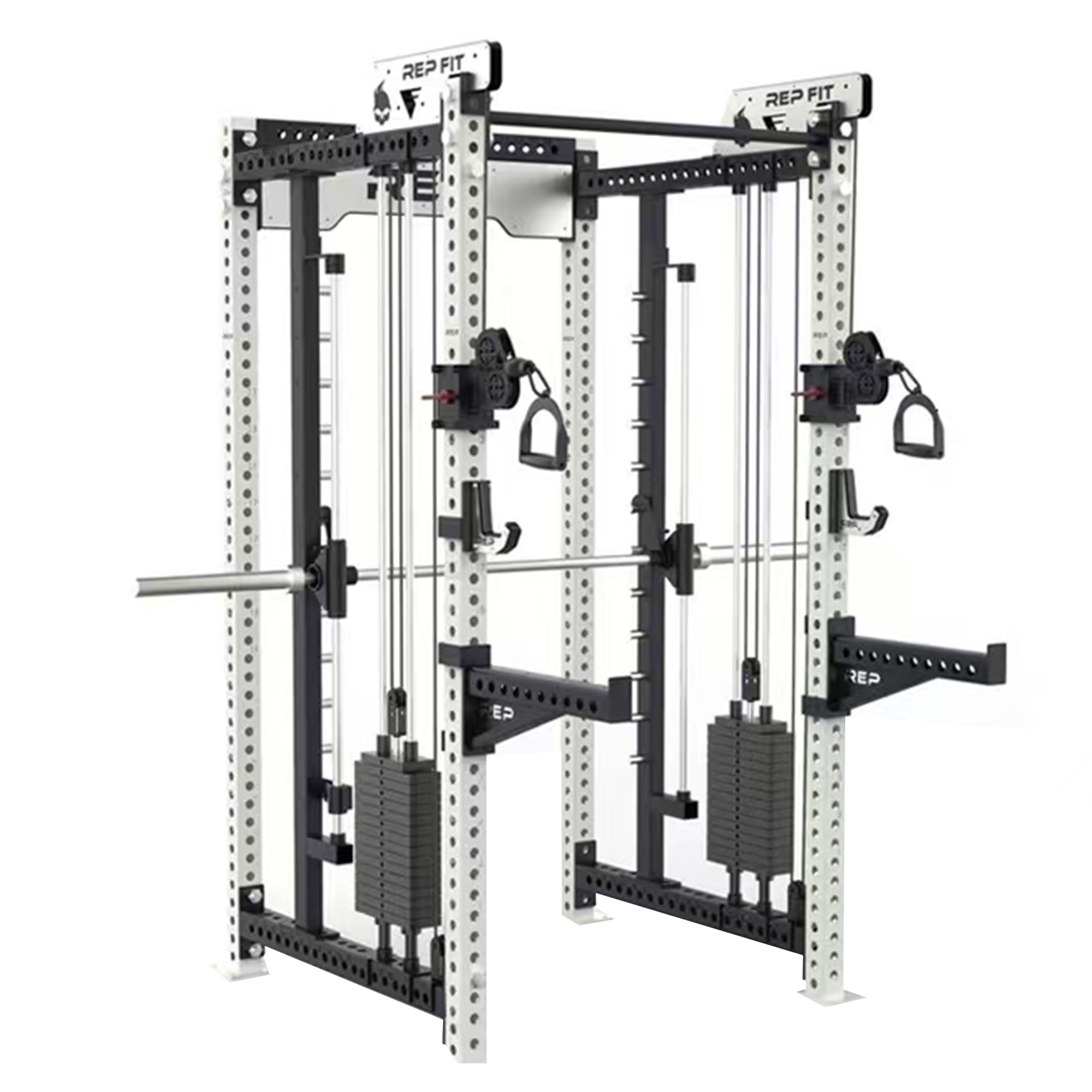
Building an effective gym floor requires a calculated balance. You must dedicate appropriate space to both cardiovascular machines and resistance training areas.
Choosing proper cardio equipment dictates how smoothly your busy hours run. You must evaluate internal components rather than just flashy screens.
Consider the motor type first. Treadmills with AC (Alternating Current) motors perform better in commercial settings than DC (Direct Current) models. AC motors run cooler and lack brushes, which reduces friction and maintenance. For ellipticals and bikes, consider self-powered units. They eliminate messy power cords and reduce your facility's electrical requirements.
Console connectivity also matters deeply. Look for Application Programming Interface (API) integration. This allows members to track workouts via Apple GymKit or ANT+ wearables easily.
Assess continuous duty horsepower (CHP) ratings strictly. A commercial treadmill needs at least a 4.0 CHP rating. This power rating ensures the machine withstands 10+ hours of daily operation without facing thermal shutdown.
Your resistance area must cater to diverse experience levels safely. Balancing guided movements and free weights is crucial.
Selectorized Machines (Pin-loaded):
These units are best for beginners. When selecting them, prioritize biomechanical alignment. The machine must follow natural joint pathways. Examine the lift mechanisms closely. Kevlar belts often outlast traditional steel cables because they flex over pulleys smoothly without fraying. Always choose units featuring fully enclosed weight stacks. Enclosures prevent finger pinch injuries and offer a much safer environment.
Plate-Loaded & Free Weights:
Advanced users rely heavily on this category. You must provide high-quality strength training equipment to retain experienced lifters. Evaluate rack J-cup durability strictly. They should feature Ultra-High-Molecular-Weight (UHMW) plastic inserts to protect barbell knurling. Inspect the barbell knurling quality itself; it needs sufficient grip without tearing calluses. Finally, test bench stability under maximum load. A bench should never wobble when a user presses heavy dumbbells.
Your initial purchase price only represents a fraction of your financial commitment. Long-term operational viability relies heavily on guarantees and ease of service.
Do not accept vague warranty promises. Break down the coverage terms meticulously. A genuine commercial warranty usually covers the structural frame for a lifetime. Parts coverage generally spans three to five years. Labor coverage typically lasts for one year.
Common Mistake: Assuming "parts coverage" includes wear items. Cables, grips, and upholstery often carry much shorter warranties, sometimes just 90 days. Read the fine print carefully.
Daily upkeep prevents catastrophic failures. Your staff must clean and lubricate machines constantly. Look for units featuring sweat-resistant shrouds. These protective covers route corrosive sweat away from sensitive moving parts. Also, check for accessible lubrication points. If your maintenance technician must dismantle half the machine to grease a bearing, your labor costs will skyrocket.
A ten-year warranty means nothing if replacement parts sit on a cargo ship for months. Ask vendors about their supply chain infrastructure directly. How can you verify their claims? Ask if they operate a domestic parts warehouse. Local inventory prevents your machines from sitting idle with an "Out of Order" sign taped to the console for weeks.
Selecting commercial gym equipment means selecting a long-term business partner. Your supplier impacts your daily operations directly.
You generally have two procurement paths. Buying direct from a manufacturer creates a unified brand ecosystem visually. It often simplifies warranty claims. However, it restricts your choices. Buying through a distributor offers a broader brand selection. You can pick the absolute best machine for each specific category. The downside is managing multiple warranty protocols.
Service Level Agreements (SLAs) determine how fast a vendor fixes broken units. Demand transparent response times for technician dispatch. A reputable vendor should offer a 48-hour guarantee for initial inspections. If they refuse to put response times in writing, find another partner.
Evaluate their logistics capabilities thoroughly. Ask these critical questions during negotiations:
Do they offer 3D floor plan modeling to verify ADA compliance?
Do they handle white-glove installation utilizing certified technicians?
Will they extract and recycle your old equipment?
Never buy purely from a catalog. Advise your procurement team to request a pilot test of key machines. Alternatively, visit a reference facility currently utilizing the vendor's hardware. Speak directly to the facility managers about their real-world maintenance experiences.
Outfitting a commercial facility represents a decades-long commitment to your members' safety and your business's overall profitability. You cannot cut corners on hardware quality without paying for it later in downtime and lost subscriptions.
Your final decision matrix must balance spatial efficiency, proven durability, and rock-solid vendor support. High-quality components protect your users, while comprehensive service agreements protect your wallet. When your facility operates smoothly, member retention naturally climbs.
Take action today by mapping out your specific demographic needs. Request a customized quote from verified vendors, download a commercial layout planning guide, or consult with an equipment specialist to finalize your floor plan.
A: Commercial hardware generally lasts 7 to 10 years for cardio units. Strength machines often last 15 years or more. This lifespan depends entirely on consistent preventative maintenance, climate control, and proper daily usage.
A: Yes. Many owners prefer picking the "best in class" for specific movements rather than sticking to one brand. However, maintaining aesthetic consistency across upholstery colors and frame finishes helps your facility look professional.
A: Yes. High-draw cardio units, specifically treadmills with AC motors, often require dedicated 20-amp circuits. You must consult a licensed electrician to ensure your facility's panel handles the collective load safely.
A: Leasing preserves cash flow and provides beneficial tax write-offs while allowing for easier future upgrades. Buying builds long-term equity and eliminates monthly payments once the loan clears. The best choice depends entirely on your capital reserves.


