
- All
- Product Name
- Product Keyword
- Product Model
- Product Summary
- Product Description
- Multi Field Search
Views: 0 Author: Site Editor Publish Time: 2026-08-10 Origin: Site


Procuring commercial gym equipment is a highly capital-intensive decision. It directly dictates your facility layout, maintenance overhead, and overall member retention. Unfortunately, facility owners often overspend on flashy, niche machines. They simultaneously under-equip crucial high-traffic zones. This common mistake creates frustrating bottlenecks during peak training hours. It also rapidly inflates repair costs when under-specced units inevitably fail under heavy use. To solve this, you need an evidence-based, compliance-aware blueprint. Structuring a highly effective commercial equipment list requires precise planning. Our guide prioritizes floor space efficiency, robust performance, and long-term durability. We will show you exactly how to balance essential heavy-duty cardio machines and approachable strength units. You will discover practical strategies to maximize your investment. We also cover compliance standards to keep your facility safe. Ultimately, you will learn how to build a gym floor built for lasting success.
Asset Allocation: High-traffic facilities require a baseline ratio of heavy-duty cardio to approachable strength units to prevent peak-hour congestion.
Durability over Aesthetics: Commercial-grade evaluations must prioritize 11-gauge steel, continuous-duty AC motors, and robust warranty terms over superficial design features.
Floor Space Economics: Selecting multi-functional or compact footprint machines maximizes revenue-generating space without compromising safety clearances.
User Accessibility: Balancing free weights with biomechanically sound pin loaded machines ensures safety for diverse demographics, including unstaffed hours.
Building an equipment list requires a clear understanding of your business model. You cannot simply buy what looks impressive on a showroom floor. Instead, define strict success criteria before making any purchases. Evaluate each piece of equipment based on cost-per-use and expected lifespan. Look closely at maintenance predictability. A machine is only valuable if it remains operational consistently.
Your target audience ultimately dictates your exact procurement strategy. Facility demographics change everything about floor planning. We recommend conducting a rigorous target audience reality check. Consider these distinct facility types:
Corporate and Hotel Gyms: These environments cater to transient or casual users. Prioritize intuitive, low-liability machines. Selectorized strength units and basic cardio interfaces work best here. Users need to start their workouts instantly without reading complex manuals.
Performance and Boutique Facilities: These gyms attract dedicated, experienced athletes. You must emphasize power racks and high-weight-capacity free weights. Functional rigs take precedence over standard single-station machines. Durability under extreme loads is your top priority.
You must also acknowledge the hidden costs of installation. Facility infrastructure heavily influences your equipment list. For example, calculate the dynamic load on your flooring carefully. Dropping heavy weights requires specialized impact-absorbing platforms. Motorized cardio machines require dedicated 20-amp electrical circuits. Plugging too many units into a single breaker leads to power failures and frustrated members. Finally, always factor in ADA-compliant spacing requirements. You must leave adequate clearance for wheelchairs and emergency egress routes.
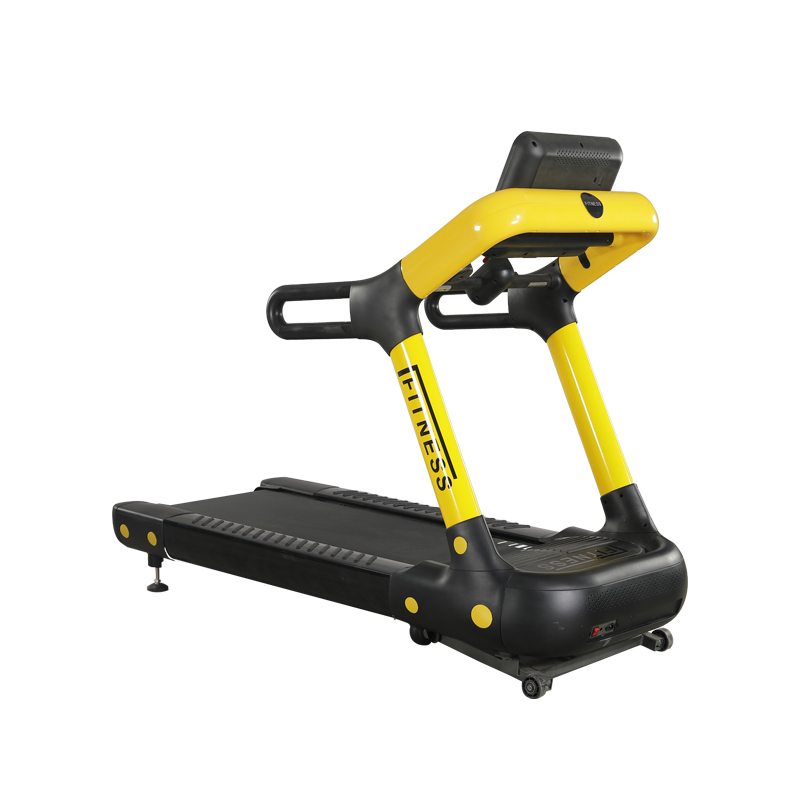
Cardio zones handle the highest volume of daily gym traffic. These machines endure continuous, repetitive strain. Selecting robust models prevents expensive mid-year replacements. You should allocate your budget toward trusted, heavy-duty workhorses.
The commercial treadmill remains the undisputed anchor of any cardio floor. When evaluating models, look strictly for 3.0+ Continuous Horsepower (CHP) AC motors. DC motors overheat quickly in 24/7 environments. Reversible commercial decks extend the life of the machine significantly. Heavy-duty shock absorption is equally critical. It minimizes joint impact and ensures biomechanical safety for runners.
Implementation carries specific risks you must manage. Treadmills draw significant power. They require meticulous electrical planning before installation. You also need planned belt-lubrication schedules. Neglecting lubrication burns out drive motors rapidly.
A reliable commercial upright bike offers essential variety for your members. Look for self-generating power options when possible. Self-generating units eliminate hazardous cable clutter. They also reduce your monthly electrical costs. Ensure the seating adjusts easily for users of all heights. Robust pedal straps are mandatory, as cheap plastic straps snap under heavy use.
Recumbent models serve a specific, vital use case. They are absolutely essential for low-impact rehabilitation demographics. Older populations rely heavily on the back support provided by recumbent seats. These units keep your facility inclusive and accessible.
Ellipticals and stair climbers round out the essential cardio list. Evaluate ellipticals based on rear-drive versus front-drive mechanics. Rear-drive systems typically require less maintenance over time. Stride length inclusivity is also vital. A fixed 20-inch stride works for most, but adjustable strides accommodate diverse demographics better.
Stair climbers command immense popularity but require careful spatial planning. Always verify step-up height clearance. Low ceilings create massive liabilities for tall users on stair climbers. Measure your ceiling height accurately before signing purchase orders.
A successful strength floor blends approachability for beginners with heavy-duty capability for advanced lifters. You must strike a delicate balance between fixed-path machines and free weight zones.
The pin loaded machine provides an incredibly safe, guided workout experience. When choosing these units, evaluate the internal components. Kevlar belts operate smoother and last longer than traditional steel cables. Check the weight stack increments carefully. Micro-adjustments help beginners progress safely. Always choose shrouded weight stacks. Full shrouds prevent fingers from getting pinched, significantly reducing your liability.
These machines deliver immense business value. They are crucial for beginners and unstaffed facilities. The fixed, biomechanically correct range of motion drastically reduces injury risks. We recommend establishing a core "must-have" circuit. This circuit should include a chest press, lat pulldown, leg extension, leg curl, and cable crossover. This fundamental lineup covers all major muscle groups efficiently.
Advanced members judge a gym by its power racks. Evaluation criteria here are exceptionally strict. Demand 11-gauge steel construction across the board. Look for robust 1-inch hardware holding the frames together. J-cups must feature UHMW plastic linings. This plastic protects expensive barbell knurling from premature wear. Integrated plate storage keeps your floor tidy and safe.
The implementation reality is that racks consume high floor space. They require wide safety clearances for loading plates. Despite the space requirement, they remain non-negotiable. Intermediate and advanced member retention depends entirely on access to quality squat racks.
Free weights take constant abuse from being dropped and dragged. Always evaluate urethane-coated versus rubber hex dumbbells. Urethane costs more upfront but offers superior longevity. It resists tearing and remains completely odor-resistant. Rubber hex dumbbells degrade faster and often emit strong smells in poorly ventilated spaces.
For heavy lifting zones, invest in drop-tested Olympic plates. Standard cast iron plates crack when dropped repeatedly. Pair these plates with high-quality needle-bearing barbells. Needle bearings allow the barbell sleeves to spin smoothly, protecting lifters' wrists during explosive movements.
Understanding material differences helps you make smarter purchasing decisions. Below is a breakdown of common dumbbell materials used in commercial settings.
Material Performance Comparison: Dumbbell Coatings
| Material Type | Durability Rating | Odor Resistance | Best Use Case |
|---|---|---|---|
| Urethane Coating | Excellent (Resists tearing) | High (No rubber smell) | Premium clubs, heavy-use commercial gyms |
| Rubber Hex | Moderate (Prone to chipping) | Low (Emits strong odor) | Budget facilities, light-use hotel gyms |
| Cast Iron | High (Rusts without care) | High (No smell) | Old-school bodybuilding gyms |
Modern fitness trends emphasize movement over isolation. Functional training zones have evolved from niche additions to central attractions. These zones maximize floor space economics while fostering community engagement.
Functional rigs act as the skeleton of your open floor space. Evaluate rigs based on modularity and expansion capability. You want a system you can add onto as your membership grows. The rig must confidently support TRX suspension straps, heavy punching bags, and wall ball targets. Ensure it anchors deeply into your concrete subfloor for absolute stability.
These setups offer incredible space efficiency. A well-designed rig replaces multiple single-use machines. It accommodates group classes and intense HIIT training simultaneously. By pairing a rig with a dedicated strip of artificial turf, you create a versatile, high-energy training environment in a condensed footprint.
Never underestimate the importance of utility benches. Cheap benches wobble and break, presenting a massive safety hazard. Evaluate bench weight capacity rigorously. Demand a minimum of 1,000 lbs static load capacity. Commercial-grade upholstery is another non-negotiable feature. It must be tear-resistant and sweat-resistant to survive daily abuse.
Pay attention to the hinge mechanics on adjustable benches. Look for a minimal gap between the seat and the back pad. A large gap causes severe lower back discomfort during heavy pressing movements. High-quality benches keep your members comfortable and supported.
Selecting the right equipment is only half the battle. Selecting the right vendor ensures your gym operates smoothly for years. Treat your supplier evaluation just as seriously as your biomechanical assessments.
You must scrutinize the fine print of every warranty document. Many buyers fall into warranty traps by assuming all coverage is equal. You need to clearly differentiate between "frame," "parts," "wear items," and "labor" warranties. A 10-year frame warranty is standard across the industry. Frames rarely break.
The 3-year labor warranty is where true supplier value lies. Labor costs for equipment repair run exceptionally high. Furthermore, investigate how they classify wear items. Cables, belts, and upholstery wear out naturally. Ensure you understand exactly when you become financially responsible for replacing these items.
Equipment downtime directly causes membership cancellations. Preventative maintenance (PM) keeps machines running smoothly. Evaluate vendors based on their Service Level Agreements (SLAs). Ask tough questions during negotiations.
Do they have localized technician networks in your city?
How fast is their average parts dispatch time?
Do they offer quarterly preventative maintenance walk-throughs?
A supplier with a remote warehouse and no local technicians will leave your treadmills broken for weeks. Choose partners who guarantee rapid response times.
Never bypass authoritative benchmarks to save money. Look for strict ASTM testing compliance on all strength structures. ASTM certification proves the equipment can handle stated weight capacities safely. For cardio and electronic components, demand CE or UL certifications. These electrical certifications protect your facility from fire hazards and ensure safe power draw. Documenting these certifications also lowers your commercial insurance premiums.
Building a successful commercial gym equipment list requires immense discipline. You must prioritize high-ROI workhorses over fleeting fitness trends. Reliable cardio units, safe selectorized strength stations, and durable free weights form the backbone of your business. Flashy gimmicks often break quickly and gather dust.
Base your final shortlisting logic on harsh realities. Let your actual floor plans dictate machine footprints. Verify your electrical capacities before ordering motorized units. Always secure robust vendor service agreements to protect your uptime.
Take action before finalizing any purchase orders. We highly encourage buyers to request a comprehensive 2D or 3D facility layout. Engage in a customized facility consultation with your supplier. Planning meticulously today prevents costly operational headaches tomorrow.
A: Commercial grade refers specifically to heavy-duty material specifications. This includes 11-gauge steel frames and continuous-duty AC motors. More importantly, commercial warranties legally cover multi-user, 24/7 environments. Residential warranties void immediately if the equipment is placed in a commercial facility. Commercial units also adhere strictly to higher liability and safety standards.
A: Standard industry guidelines suggest allocating 50 to 60 square feet per cardio machine. For strength stations, plan for 40 to 50 square feet each. These measurements factor in the machine's footprint, ADA compliance requirements, and safe ingress/egress zones for users walking around the equipment.
A: Buying requires upfront capital expenditure but works best for depreciable iron and steel assets with 10+ year lifespans. Leasing shifts costs to operational expenditure. Leasing allows you to rotate equipment every 3-5 years. This makes leasing ideal for high-tech cardio machines that become outdated or worn down quickly.
A: With strict preventative maintenance, a commercial treadmill averages 5 to 7 years before needing a major overhaul. Fixed strength units and heavy iron racks can easily last 10 to 15 years, provided you routinely replace wear items like Kevlar belts, cables, and upholstery.


